We're building the operating system for how engineering teams actually work now.
Not how they worked three years ago. Not how a textbook says they should work. How they actually work — right now, in 2026, with AI rewriting the rules every quarter.
The economics of engineering changed faster than anyone expected.
Three years ago, a team of fourteen owned a product vertical. Today, five engineers with the right AI tooling deliver the same output. That doesn't mean you fire nine people. It means you suddenly have capacity for initiatives that were stuck in the backlog for two years. The constraint on what your company can build just moved.
But the operating model hasn't caught up. Most engineering organisations still plan annually, reconcile in spreadsheets and report to finance in a language neither side fully trusts. The tools were built for a world where headcount was a reliable proxy for output and cost structures were predictable. That world is gone.
AI compresses timelines. A three-month project takes one month — but the cost picture is different. Token consumption, context windows, tool-calling loops. New line items that didn't exist in anyone's budget two years ago. Teams are smaller but more expensive per head. Output is higher but harder to measure. And the gap between engineering and finance — already wide — just got wider.
Someone needed to build the system of record for this new reality. Not a better spreadsheet. Not another dashboard bolted onto an FP&A tool. An operating layer that connects people, plans and cost — and evolves as fast as the teams using it.
That's what we're building.
We're founders. It's what we do.
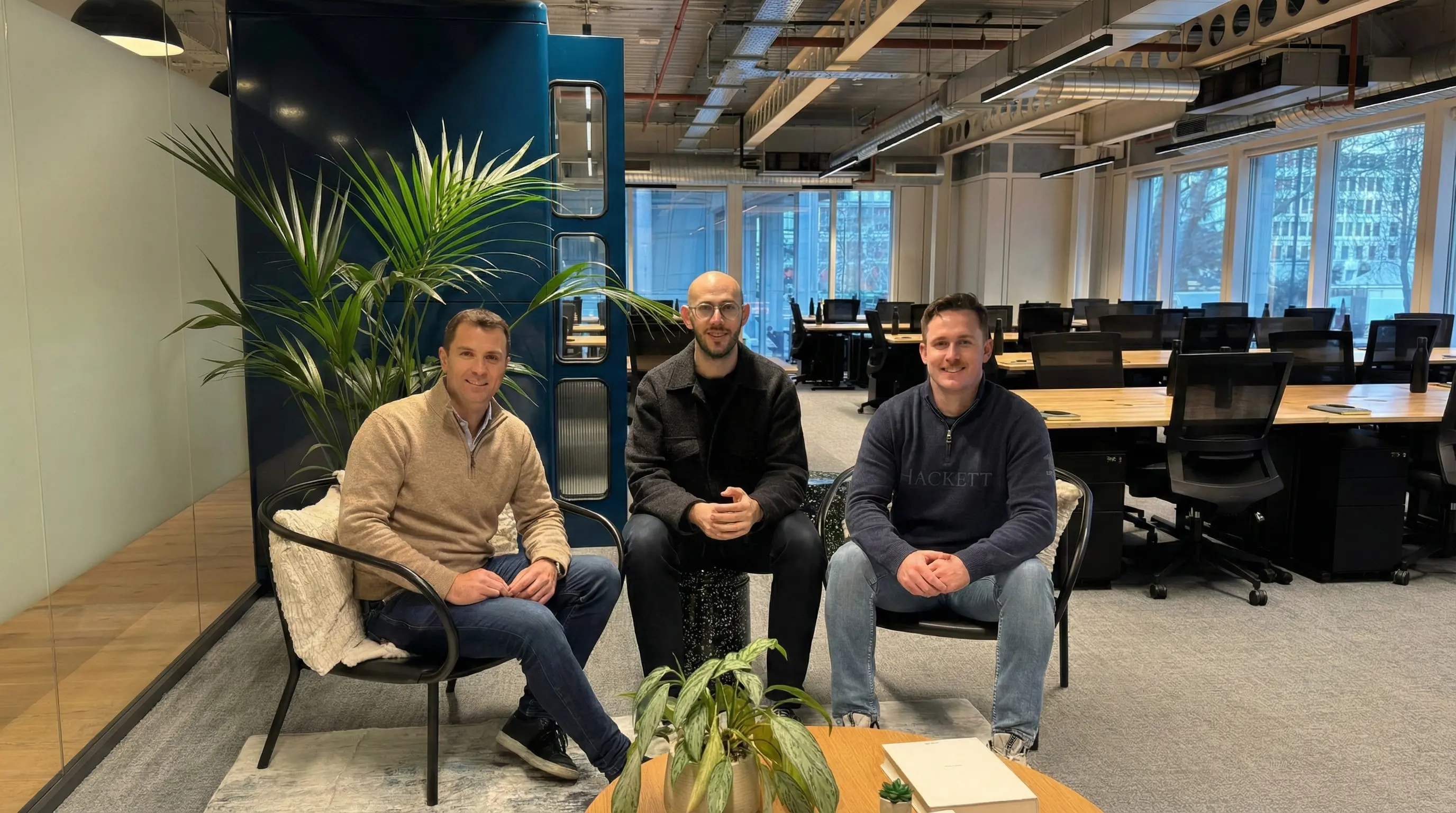
Oliver and Will have both built companies from scratch, scaled teams across continents and know first-hand what it takes to connect engineering and finance around a shared picture.
They kept seeing the same problem across every enterprise they worked with — engineering organisations spending tens of millions a year with no shared operating model between the CTO and CFO. The tools existed for headcount planning and the tools existed for project tracking, but nothing connected the two in a way that both sides could trust.
Getting this right has historically been so painful that guessing was the rational choice. Flowstate makes the right answer easier than the guess.
We love early stage. We love the part where you're close enough to the problem that every conversation with a customer changes the product. Our first enterprise customer blocked every Friday for two months so we could sit in their office and build the thing together. That's how Flowstate was shaped — not in a conference room, but in the mess of real planning cycles with real engineers and real finance teams.
Meet the founders

Oliver Beach
Co-founder & CEO
Eleven years building in the future of work — at Emeritus, WeWork, Flatiron School and Jolt. Before all of that, a high school accounting teacher. Which makes him one of the rare people in tech who can explain capitalisation to an engineer and explain engineering to a CFO — and mean it both times.
Oliver sees the gap others walk past. The disconnect between engineering and finance isn't a data problem or a tooling problem. It's a language problem. Two groups of smart people, both doing their jobs well, unable to communicate because nothing in their stack translates between them. He started Flowstate to be that translator — and to make the conversation between CTOs and CFOs feel like it should have always been this easy.
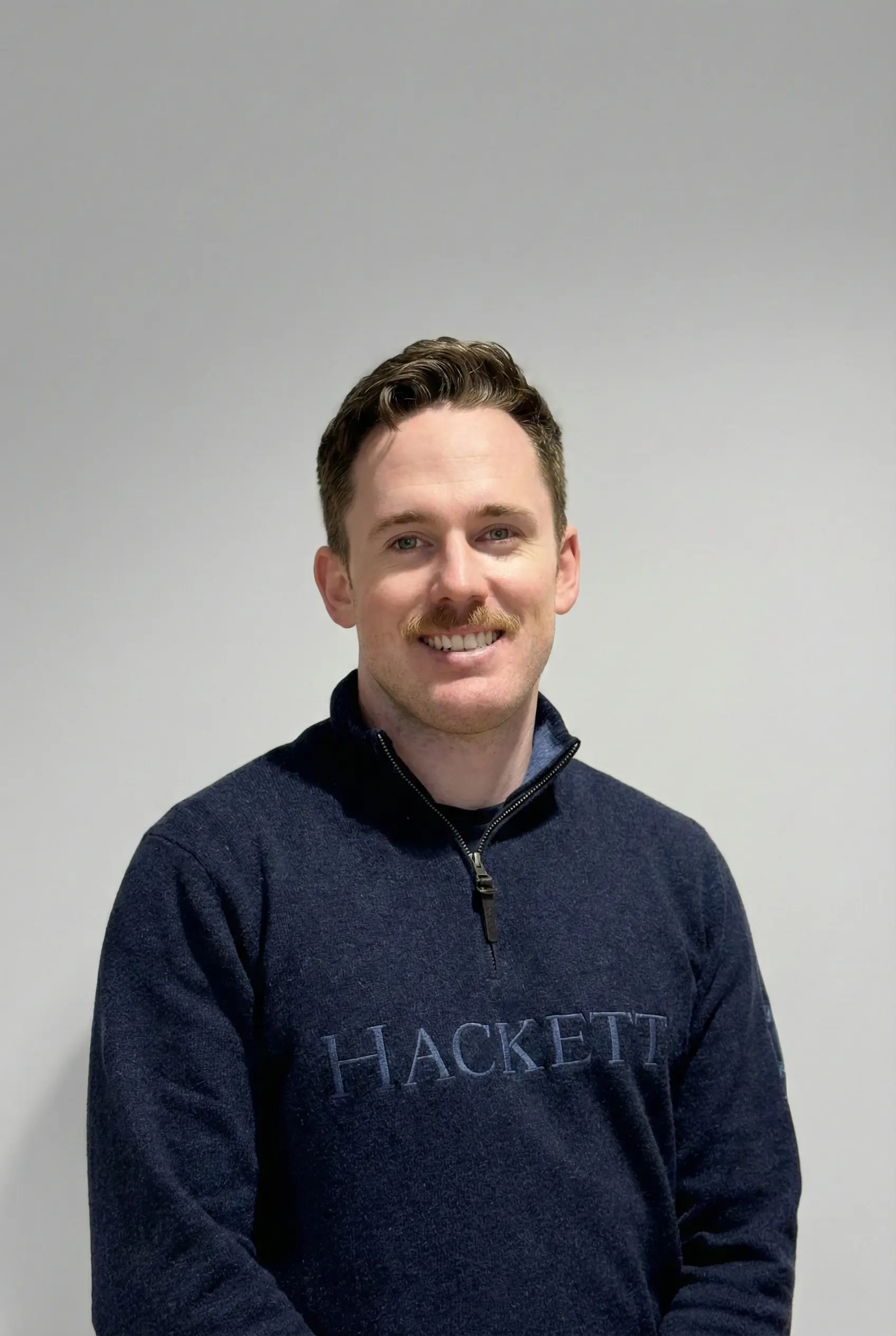
Will Hackett
Co-founder & CTO
Writing software since he was ten. Twelve years of building and scaling products across startups and enterprise — Linktree, Blinq, private equity platforms — with deep experience in AI/ML and FinTech. Australian, based in London, and the kind of engineer who thinks about systems at every level: the code, the team, the economics and the organisational structure that either enables or destroys all three.
He writes about engineering economics, AI workforce dynamics and why middle management mostly exists to justify itself. His post on explaining the $20M engineering spend is probably the clearest articulation of why Flowstate needs to exist. Before Flowstate, he built and wound down an AI startup — and the lessons from that failure are baked into everything about how the product is built: small team, no ceremony, ship what matters, stay honest about what doesn't work yet.
willhackett.ukWhat we stand for
- Curiosity over assumptions.
- We talk to customers before we build. We'd rather understand the problem deeply than ship the obvious answer quickly. Every feature in Flowstate exists because someone in a real planning cycle needed it — not because a competitor had it.
- Through the wall, not around it.
- Our first enterprise customer needed their entire scenario planning cycle rebuilt for quarter-end. Two weeks' notice. A team of two. We did it. That's how we operate. When something needs to happen, it happens.
- Say the thing.
- We'd rather have an honest conversation that's uncomfortable than a polite one that wastes everyone's time. That applies to how we build, how we sell and how we talk about what the product can and can't do today.
Backed by
We're supported by investors who've lived versions of this problem themselves.
-
 a16z Scout Fund
 -
 Ventures Together
 -
 Haatch
 -
 Openseed Fund I